In a world filled with noise, flashing ads and endless content, sometimes the most powerful statement is made with less. Minimalist design proves that simplicity isn’t boring, it’s smart. By focusing on what truly matters, designers can create visuals that feel clean, calm and timeless. But minimalism isn’t just a trend; it’s a philosophy that has roots in cultures around the world, including the rich traditions of Nepal.
Minimalist design is all about keeping things simple and purposeful. Every line, color and shape should have a reason for being there. Nothing is added just to fill space. This approach makes designs easier to understand and more visually appealing. For businesses, minimalist design helps users focus on key messages, while for artists and creators, it allows the beauty of each element to shine without distraction.
The Nepali Connection
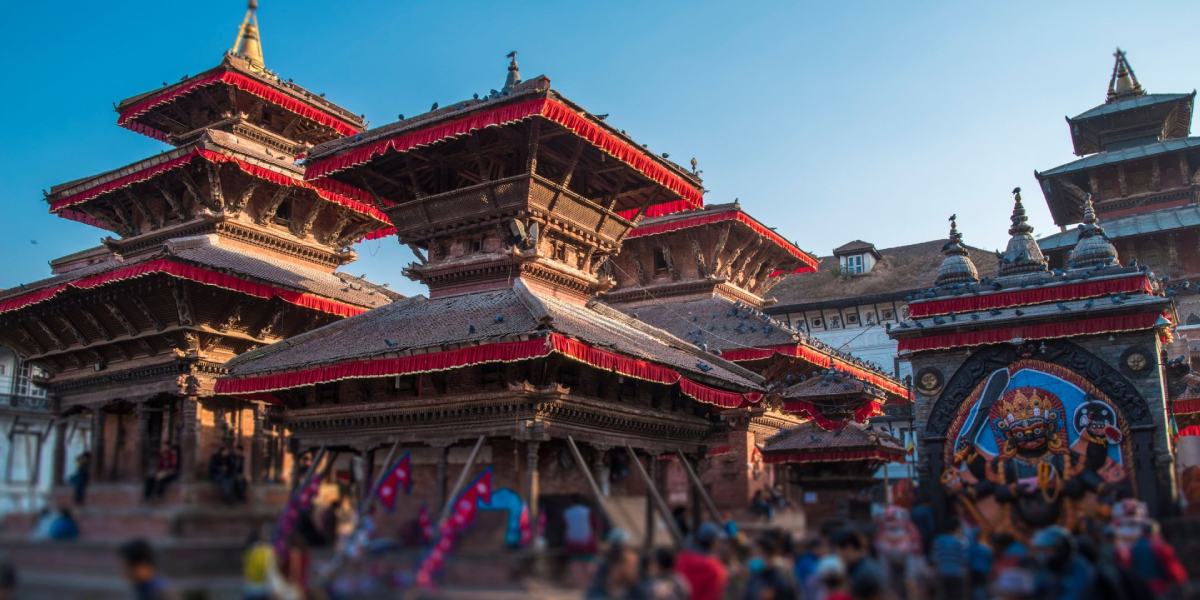
Nepal, with its centuries-old art, architecture and crafts, offers natural inspiration for minimalist design. Look at the temples in the Kathmandu Valley. Their pagodas, carved wooden doors and subtle motifs aren’t cluttered, they’re carefully arranged to serve both functional and spiritual purposes. Similarly, Thangka paintings use limited color palettes and repeated patterns to convey meaning without overwhelming the viewer. In essence, traditional Nepali designs already follow the minimalist principle: every element has a purpose.
Modern designers are now blending these cultural elements with contemporary minimalism. Websites, logos and interior designs can incorporate Nepali patterns, symbols or scripts in a way that feels modern but still honors heritage. For instance, a simple mandala motif can be used as a focal point in branding or digital layouts, creating elegance without overcomplicating the design.
Nepali culture also teaches lessons that align with minimalism beyond visuals. Concepts like “Sukha,” which emphasize peace and contentment, encourage focusing on what is meaningful and avoiding excess. Even traditional festival decorations, like those for Dashain or Tihar, often balance colors and space to create beauty that is noticeable yet calm.
Minimalist Design Trends
Minimalist design has evolved over time, and several trends are shaping how it’s applied today:
- Bold Typography – Large, clear fonts make messages stand out without additional graphics.
- Ample White Space – Space around elements helps the eye rest and highlights important content.
- Limited Color Palettes – Using one or two primary colors keeps designs clean and cohesive.
- Geometric Shapes – Simple shapes can create patterns or guide attention in subtle ways.
- Cultural Fusion – Integrating traditional motifs from local culture (like Nepali patterns) adds uniqueness without clutter.
These trends show that minimalism isn’t just about removing things; it’s about designing with intention. Each choice matters.
Practical Tips for Minimalist Design
If you’re trying to create a minimalist design, here are some tips that can help:
- Focus on Purpose: Every element in your design should serve a reason. Remove anything that doesn’t add value.
- Use White Space Wisely: Let your design breathe. Space can be just as important as the elements themselves.
- Keep Color Simple: Stick to a limited palette inspired by your theme or cultural influences.
- Highlight One Element: Make your message or visual focal point clear.
- Incorporate Culture Thoughtfully: Use motifs, symbols or scripts sparingly to tell a story without overwhelming the design.
For designers in Nepal or anyone inspired by Nepali culture, there’s a lot to learn about creative problem-solving in design. The same design philosophy can be explored in a detailed article on Design Thinking in Nepal: Solving Problems with Creativity, which shows how traditional ideas and minimalist principles can work together in modern design projects.
Why Less is More
Minimalism works because humans naturally respond to clarity. A clean design makes it easier to focus, remember and engage with content. Whether it’s a website, an app, a poster or a logo, a minimalist approach removes distractions and strengthens the main message.
In Nepal, applying minimalism can also celebrate heritage. Instead of overloading designs with colors or patterns, designers can pick meaningful symbols, balance them with space and highlight the elegance of tradition. This approach not only looks modern and professional but also preserves cultural identity in a subtle, effective way.
Minimalist design is more than a visual style; it’s a mindset. It teaches designers to ask questions like: Does this element serve a purpose? Does it enhance the message or distract from it? By answering these questions, designers create work that’s functional, beautiful and meaningful.
Embracing Simplicity Without Losing Soul
In today’s fast-moving world, minimalist design is a breath of fresh air. It shows that simplicity isn’t just about removing elements, it’s about making thoughtful choices. By combining modern minimalism with Nepali cultural inspiration, designers can create visuals that are timeless, elegant and meaningful. Remember, less really can be more, especially when every element tells a story.