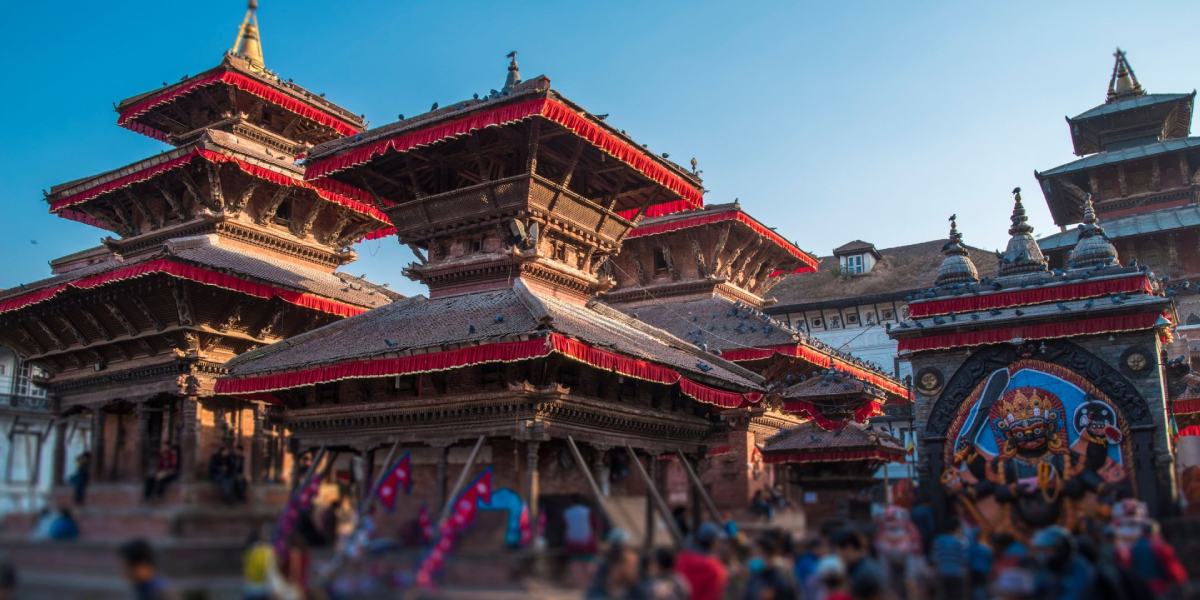
Nepal is a land of stories etched in stone, brushed onto canvas, and woven into fabric. From the intricate carvings of Newari temples to the vibrant patterns of Thangka paintings, our heritage is an endless source of design inspiration.
In today’s fast-moving, globalized market, one question stands out: how can Nepali brands remain authentic and memorable? The answer often lies in looking inward. Integrating traditional Nepali patterns and motifs into modern branding is more than decoration. It’s about identity, connection, and telling stories that only we can tell.
Why Look to Our Past for Future Branding?
Authenticity and Identity
In a sea of generic logos and Western-inspired designs, traditional Nepali motifs immediately signal origin and craftsmanship. They mark a brand as proudly Nepali.
Emotional Connection
Motifs carry cultural and spiritual depth. When thoughtfully used, they spark pride and belonging for locals while sparking curiosity among international audiences.
Differentiation
A brand rooted in heritage won’t fade into the background. It stands out, feels distinct, and is easier to remember.
Cultural Preservation
By adapting these elements for today’s world, we keep our artistic traditions alive, not as relics, but as living, evolving expressions.
Where to Find Inspiration: Nepali Motifs at a Glance
Nepal’s cultural diversity offers a vast library of visual language:
- Newari Architecture and Art
Rich wood carvings, metalwork, and temple art feature geometric patterns, mythical figures like Garuda or Bhairav, and auspicious symbols such as the Ashtamangala. - Thangka Paintings
These sacred artworks are full of symmetry, vivid colors, mandalas, and detailed iconography of Buddhist deities and celestial forms. - Textiles and Weaving
From Dhaka fabric of the Limbu community to Himalayan wool crafts, our textiles showcase bold stripes, intricate geometry, and abstract beauty. - Religious Symbols
The Dharma Chakra, Om, prayer flags, stupas, and the lotus flower are powerful cultural icons that can be reimagined for modern contexts.
Best Practices: How to Integrate Without Overpowering
Respectful adaptation is the key. Here’s how designers can strike the balance:
- Understand the Meaning
Research the context behind a motif. Avoid using symbols carelessly as misinterpretation can dilute or even offend. - Simplify and Abstract
Traditional designs are often detailed. Extract their essence into cleaner, modern shapes that still carry the spirit of the original. - Update the Color Palette
Traditional art uses bold, vibrant hues. In branding, these can be adapted into softer tones, monochromes, or curated palettes that suit your brand personality. - Use Strategically
A motif doesn’t need to dominate everything. It can live in a logo accent, background texture, watermark, or packaging highlight. - Pair with Modern Typography
The contrast of traditional visuals with clean contemporary fonts creates a balance of heritage and progress. - Tell the Story
Don’t just use the symbol, share its origin and meaning. This adds depth and builds a stronger connection with your audience.
Imagining Nepali Brands that Get It Right
Let’s picture how traditional motifs could breathe life into modern brands:
- Himalayan Roots Tea
A tea brand with packaging that features a stylized lotus or a subtle prayer flag pattern, signaling purity, calm, and Nepali origin. - Kathmandu Crafts Collective
A digital marketplace for artisans that uses vector-style interpretations of Newari carvings as background patterns, blending tradition with sleek digital design. - Gorkha Gear
An outdoor adventure brand with apparel patterned after traditional woven designs, abstract mountains inspired by textile motifs, hinting at resilience and landscape.
(Note: These are conceptual examples but they show the potential for how heritage can fuel modern identity.)
In Summary
Integrating traditional Nepali patterns and motifs into modern branding isn’t just about design. It’s about telling our story in a way the world can see and feel. When used with respect and creativity, these motifs transform brands into cultural storytellers, bridging past and present, local pride and global appeal.
The next great Nepali brand identity might not come from a design trend abroad but from a temple carving, a woven fabric, or a centuries-old painting, waiting to be rediscovered and reimagined.