Understanding Our Deep Emotional Bond With Smartphones
In today’s fast-moving digital world, smartphones have become more than just communication tools. They are our alarm clocks, diaries, cameras, entertainment centers, workstations and social connectors. From the moment we wake up to the second we fall asleep, our phones remain within arm’s reach. Because of this deep attachment, many people experience strong discomfort, stress or panic when they are separated from their devices. This emotional reaction is known as phone separation anxiety.
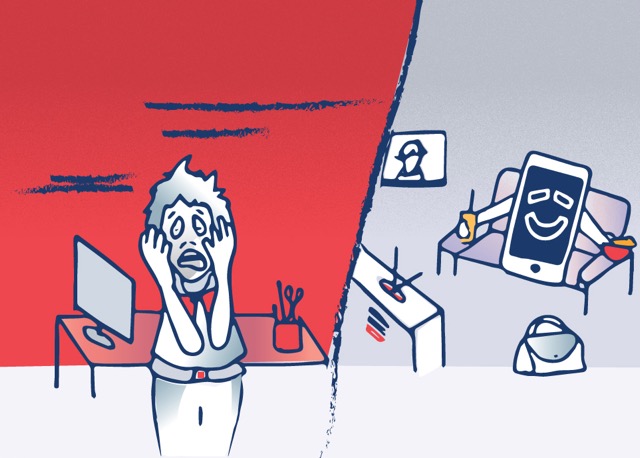
Phone separation anxiety describes the uneasy feeling people get when they forget their phone, lose it, run out of battery or cannot access it for some time. The fear may include restlessness, nervousness, racing thoughts or a strong urge to retrieve the phone immediately. While this may seem harmless, frequent anxiety caused by phone separation can negatively affect mental health, productivity, relationships and emotional stability.
Understanding why this happens and learning how to manage it can help us build a healthier relationship with technology.
Why Are We So Emotionally Attached to Our Phones?
Our emotional bond with smartphones has grown because phones have become deeply woven into our daily lives. We rely on them for almost everything: communication, navigation, payments, education, entertainment and social interaction. Losing access feels like losing control.
Phones store our memories through photos, messages, notes and social media history. They connect us instantly to family, friends, work and the outside world. Because of this, the brain begins to associate the phone with comfort, safety and connection. When that comfort disappears, the mind reacts with fear and stress.
Social media platforms further strengthen this attachment. Likes, comments, notifications and instant replies trigger pleasure chemicals in the brain. Over time, this creates emotional dependency, making separation feel deeply uncomfortable.
The Psychology Behind Phone Separation Anxiety
The main psychological driver behind phone separation anxiety is fear of missing out, often known as FOMO. People worry they might miss important messages, social updates, news alerts or emergencies. This constant expectation keeps the brain in a state of alertness.
Another major factor is dopamine stimulation. Notifications, messages and social media updates release dopamine, a chemical linked to pleasure and reward. When the phone is absent, the brain experiences a sudden drop in stimulation, creating discomfort and anxiety.
Phones also provide emotional comfort. During boredom, loneliness, stress or sadness, many people turn to their phones for distraction. Over time, this emotional coping mechanism becomes habitual, making it difficult to stay calm without digital stimulation.
Common Signs of Phone Separation Anxiety
People experiencing phone separation anxiety often show both emotional and physical symptoms. Emotionally, they may feel nervous, restless, irritated or distracted when their phone is not nearby. They may repeatedly check their pockets, bags or desks even when they know their phone is not there.
Physically, symptoms may include increased heart rate, sweating, tension headaches, difficulty concentrating and sleep disturbances. Some individuals experience panic when they realize their phone battery is low or when internet access is unavailable.
Behaviorally, people may avoid situations where phone use is restricted, such as meetings, classes or family gatherings. They may also feel uncomfortable spending time alone without their device.
How Phone Separation Anxiety Affects Mental Health
Long-term phone dependency can gradually impact mental well-being. Constant digital stimulation reduces the brain’s ability to relax, leading to chronic stress and emotional exhaustion. Anxiety becomes more frequent and emotional balance weakens.
Excessive phone use also disrupts sleep patterns. Many people scroll late into the night, reducing sleep quality. Poor sleep increases anxiety, irritability, mood swings and reduced concentration.
Over time, constant digital engagement can reduce self-confidence and increase comparison anxiety, especially through social media exposure. This can lead to feelings of inadequacy, loneliness and emotional burnout.
Impact on Children and Teenagers
Children and teenagers are particularly vulnerable to phone separation anxiety. Their brains are still developing, making them more sensitive to digital stimulation and emotional dependency.
Excessive phone use in young people can reduce attention span, weaken learning abilities and affect emotional regulation. Many students struggle to focus in class because they constantly think about checking their phones.
Social media pressure can also harm self-esteem. Comparing themselves to filtered images and curated lifestyles can create unrealistic expectations and emotional distress. Over time, this may contribute to anxiety, depression and social withdrawal.
Helping young users develop healthy screen habits is essential for long-term emotional and psychological development.
How Technology Design Encourages Addiction
Many apps are intentionally designed to keep users engaged as long as possible. Features such as infinite scrolling, instant notifications, autoplay videos and reward systems encourage continuous usage.
Every notification acts as a psychological trigger, training the brain to seek constant stimulation. Over time, this creates compulsive behavior patterns similar to addiction.
Bright colors, smooth animations, sound alerts and personalized content all increase emotional attachment. This makes it harder for users to disconnect, increasing anxiety when separation occurs.
Social Media and Emotional Dependence
Social media platforms play a major role in phone separation anxiety. They provide constant social validation through likes, shares, comments and reactions. This validation becomes emotionally rewarding, creating dependency.
People begin to associate self-worth with online approval. When phones are unavailable, they fear missing social engagement, leading to anxiety and emotional discomfort.
Over time, this emotional reliance can weaken real-world relationships, as individuals may prioritize digital interactions over physical presence.
Effects on Productivity and Daily Life
Phone separation anxiety also affects productivity and focus. Constant checking interrupts concentration, reducing efficiency in work, study and daily activities.
Many people find it difficult to complete tasks without frequently checking their phone. This habit reduces deep thinking, creativity and problem-solving abilities.
Over time, constant digital distraction leads to mental fatigue, reduced motivation and emotional exhaustion.
The Role of Notifications and Instant Gratification
Notifications play a powerful role in maintaining phone dependency. Each alert creates a sense of urgency, making users feel they must respond immediately.
Instant gratification from quick replies, likes and messages trains the brain to expect immediate rewards. This reduces patience and emotional resilience.
When phones are absent, the sudden loss of instant stimulation can cause discomfort, anxiety and irritability.
Healthy Ways to Reduce Phone Separation Anxiety
Developing healthier digital habits can significantly reduce phone separation anxiety. Small changes in daily routines can create lasting emotional balance.
One effective method is gradual reduction of screen time. Instead of quitting suddenly, slowly decrease daily phone usage by limiting social media time, disabling unnecessary notifications and scheduling screen-free hours.
Creating phone-free zones in the home, such as bedrooms and dining areas, helps improve focus, sleep quality and emotional connection with others.
Practicing mindfulness and self-awareness allows individuals to recognize emotional triggers that lead to excessive phone use. Understanding these triggers helps replace digital coping mechanisms with healthier alternatives.
Engaging in offline activities like reading, exercise, creative hobbies, social interaction and outdoor time strengthens emotional independence and reduces reliance on digital stimulation.
One Simple Listing: Practical Daily Habits for Digital Balance
- Keep your phone away during meals, work and study time
- Turn off non essential notifications
- Avoid screen use at least one hour before bedtime
- Schedule short phone-free breaks throughout the day
- Replace scrolling habits with physical activity or reading
Building a Healthier Relationship With Technology
Technology itself is not harmful; the problem lies in excessive and unconscious use. Smartphones provide incredible benefits when used responsibly. They connect people, provide knowledge, support creativity and improve productivity.
By learning emotional awareness and digital discipline, individuals can regain control over their screen habits. Balanced technology use improves mental clarity, emotional stability and overall well-being.
When phones become supportive tools instead of emotional crutches, people experience greater peace, focus and happiness.
Future Challenges in the Digital Age
As technology continues to advance, phone dependency may increase. New digital platforms, immersive media and artificial intelligence tools will further deepen emotional attachment.
This makes digital awareness education more important than ever. Teaching emotional resilience, critical thinking and healthy technology habits will help future generations build stronger mental health.
Governments, schools, parents and technology companies all share responsibility in creating healthier digital environments.
Reclaiming Emotional Freedom From Screens
Phone separation anxiety is a growing mental health concern in modern society. Our deep emotional attachment to smartphones has transformed them into essential emotional companions, making separation uncomfortable and stressful.
By understanding the psychological reasons behind this anxiety and practicing mindful digital habits, individuals can restore emotional balance and mental clarity. Reducing screen dependency does not mean abandoning technology it means using it consciously and responsibly.
In a world dominated by digital connections, learning to disconnect occasionally may be the most powerful step toward emotional freedom, inner peace and a healthier life.