The art world has always evolved alongside technology. From cave paintings and oil canvases to digital illustration and graphic design, artists continuously adapt to new tools and platforms. In recent years, however, a new phenomenon has taken the global art market by storm NFT art. Short for Non Fungible Token art, this digital innovation has sparked excitement, controversy and curiosity among artists, collectors and technology enthusiasts.
NFT art promises something that digital artists have struggled with for decades, true ownership and authenticity of digital creations. For the first time, artists can sell their digital work as unique, verifiable assets using blockchain technology. Some artworks have even sold for millions of dollars, attracting worldwide attention and dramatically changing how people perceive digital art.
One of the most famous moments in the NFT boom occurred when digital artist Beeple sold his groundbreaking artwork Everydays: The First 5000 Days for an astonishing $69 million through Christie's in 2021. This sale shocked the traditional art industry and instantly placed NFTs at the center of global conversations.
But despite its rapid rise, many experts and critics continue to ask an important question: Is NFT art a true revolution in the art world, or is it simply another temporary trend driven by hype?
Understanding NFT Art
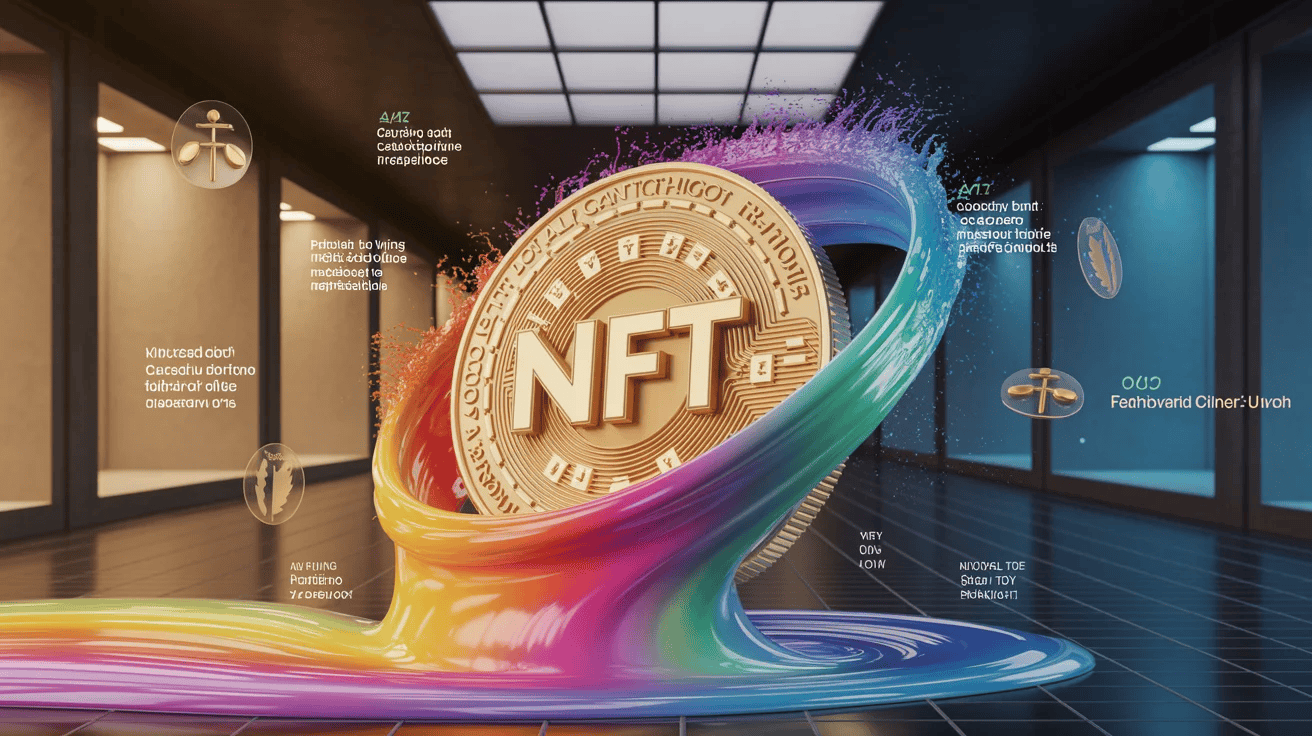
To understand NFT art, it is essential to first understand what an NFT actually is. NFT stands for Non Fungible Token, which is a unique digital asset stored on a blockchain network. Unlike cryptocurrencies such as Bitcoin or Ethereum, which are interchangeable and identical in value, NFTs are unique and cannot be replaced by another identical item.
This uniqueness is what makes NFTs ideal for representing digital artwork. Each NFT contains metadata that proves the ownership and authenticity of a specific piece of digital content. This can include digital paintings, animations, music files, videos, or even virtual real estate.
Before NFTs existed, digital art faced a major challenge. Because digital files can easily be copied and shared online, it was difficult for artists to prove ownership or sell their work as unique pieces. NFTs solve this issue by creating a blockchain based certificate of authenticity that permanently records who owns the artwork.
How NFT Art Works
The process of creating and selling NFT art typically involves several steps. First, an artist creates digital artwork using tools such as graphic design sofware or digital painting applications. Once the artwork is complete, the artist uploads it to an NFT marketplace and converts it into an NFT through a process known as minting.
During minting, the artwork is recorded on a blockchain, usually the Ethereum network, which stores information about the creator, the owner and the transaction history.
After minting, the NFT can be listed for sale on digital marketplaces such as OpenSea or Rarible. Buyers can purchase the NFT using cryptocurrency and ownership is transferred directly through the blockchain.
One of the most innovative aspects of NFT art is that artists can program royalties into their NFTs. This means that whenever the artwork is resold in the future, the original artist automatically receives a percentage of the sale price. This feature creates new long term earning opportunities for artists.
Why NFT Art Became So Popular
The sudden popularity of NFT art can be attributed to several key factors.
First, NFTs provided a solution to one of the biggest problems in digital art: ownership. Digital artists previously struggled to sell their work because copies could be easily made and shared online. NFTs introduced scarcity and authenticity to digital content.
Second, NFTs created a new global marketplace where artists could sell their work directly to collectors without relying on galleries or traditional art institutions. This allowed independent artists from around the world to reach audiences they might never have accessed before.
Third, the rapid growth of cryptocurrency and blockchain technology created a new class of wealthy digital collectors who were eager to invest in NFT art. Many collectors saw NFTs not only as artistic pieces but also as speculative investments.
Finally, social media platforms played a huge role in promoting NFT culture. Artists, influencers and celebrities began sharing their NFT collections online, further increasing public interest and driving demand.
The Argument: NFT Art as a Revolution
Supporters of NFT art believe it represents a revolutionary transformation of the art industry. According to this perspective, NFTs democratize the art world by giving artists greater control over their work and income.
Traditionally, artists often depended on galleries, agents, or auction houses to sell their work. These intermediaries typically took large commissions and controlled access to collectors. NFTs remove many of these barriers by allowing artists to sell directly to buyers online.
Another revolutionary aspect of NFTs is transparency. Blockchain technology records every transaction publicly, making it easier to verify the authenticity and ownership history of an artwork.
Furthermore, NFT technology expands the definition of art itself. Digital creators, animators, game designers and multimedia artists can now sell their work in ways that were previously impossible in the traditional art market.
The Criticism: NFT Art as a Temporary Trend
Despite the excitement surrounding NFTs, critics argue that the NFT boom may simply be a temporary trend fueled by speculation and hype.
One major criticism is that many NFTs are sold at extremely inflated prices, often driven by investors hoping to resell them for profit rather than genuine appreciation for the artwork. When market enthusiasm declines, these prices can drop dramatically.
Another concern involves environmental impact. Some blockchain networks consume significant amounts of energy, raising questions about the sustainability of NFT technology. Although newer blockchain systems are working to reduce energy consumption, this issue remains a topic of debate.
Critics also argue that NFTs do not necessarily prevent copying of digital art. While the NFT proves ownership of the original token, copies of the image or file can still circulate freely on the internet.
Because of these concerns, some art experts believe the NFT market could eventually shrink or evolve into a more stable, niche sector.
The Future of NFT Art
While the initial NFT boom has slowed compared to its peak in 2021, the underlying technology continues to influence the creative industry. Many artists, museums and technology companies are still experimenting with blockchain-based ownership systems.
NFTs may eventually become integrated into broader digital ecosystems such as virtual worlds, gaming platforms and metaverse environments. In these spaces, digital art could play an important role in shaping online identities and experiences.
It is also possible that NFTs will evolve beyond simple digital collectibles and become tools for managing intellectual property, licensing and digital rights.
Rather than disappearing entirely, NFT technology may gradually mature and find sustainable applications within the art market and other creative industries.
NFT art represents one of the most fascinating intersections between technology and creativity in modern history. By combining blockchain technology with digital artwork, NFTs have opened new possibilities for artists and collectors alike.
Whether NFTs ultimately prove to be a revolutionary transformation or a temporary trend remains uncertain. However, there is little doubt that the NFT movement has sparked important conversations about digital ownership, artistic value and the future of creativity in the digital age.
Even if the early hype fades, the ideas introduced by NFTs may continue shaping the art world for years to come. As technology continues to evolve, artists will undoubtedly keep exploring new ways to express themselves and connect with audiences around the globe.