A single wooden window in an old Nepali house can tell more stories than a whole book. Its carvings speak of gods, festivals, family life and beliefs that have lived for hundreds of years. This is the quiet power of Nepal’s traditional art. It does not shout for attention, yet it carries the heart of a nation.
Nepal’s traditional art is deeply connected to everyday life. From temples and courtyards to festivals and homes, art has always been part of how people express faith, culture and identity. But today, as cities grow and lifestyles change, this priceless heritage faces serious challenges. Preserving it has become more important than ever.
What Traditional Art Means in Nepal
Traditional art in Nepal is not just about beauty. It is about meaning. Each artwork has a purpose, a story and a connection to culture or religion. Paubha and Thangka paintings are created with care and patience, often following rules passed down through generations. These paintings are used for worship and meditation, not just decoration.
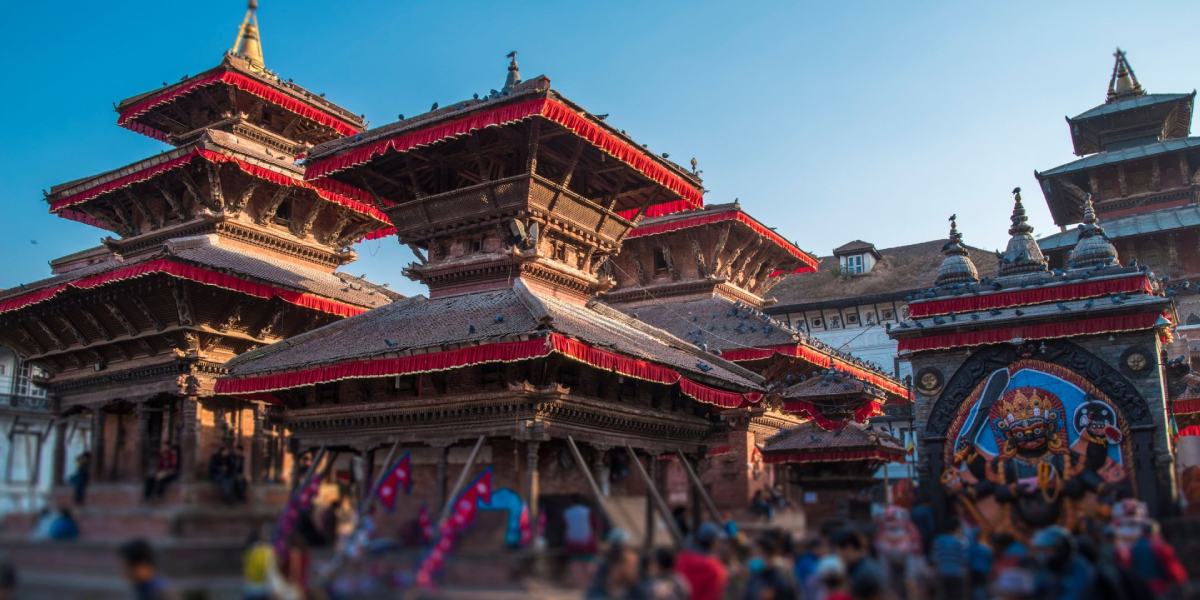
Wood carving is another important form of art, especially in the Kathmandu Valley. Doors, windows and temple supports are decorated with detailed carvings of animals, gods and symbols. Even after hundreds of years, these carvings still feel alive.
Metal statues made from bronze and copper, stone carvings found in temples, pottery used in daily life and colorful masks worn during festivals are all part of Nepal’s artistic tradition. Every piece reflects skill, devotion and time.
Why This Art Is So Valuable
Nepal’s traditional art is valuable because it connects the past with the present. It helps people understand how earlier generations lived and what they believed in. Art shows history in a way that books sometimes cannot.
It also gives Nepal a unique identity. When people around the world see Nepali art, they recognize its style immediately. This makes the country special and respected on a global level.
Traditional art also supports many families. Artists, craftsmen, painters and carvers rely on these skills to earn a living. When traditional art survives, so do their livelihoods.
A World That Is Changing Fast
Life today moves quickly. Buildings rise faster than ever before. Old houses are replaced by concrete structures. Handmade items are replaced by factory-made products that are cheaper and quicker to produce.
Technology has changed how people live, work and spend their time. Many young people are drawn to modern jobs and digital careers. Learning traditional art can take years and the income is often uncertain. Because of this, fewer young people choose to follow the path of their ancestors.
Tourism also affects traditional art. While visitors love Nepali culture, some artworks are made quickly to meet demand. This can lower quality and reduce the deeper meaning behind the art.
The Struggles Faced by Traditional Artists
Traditional artists face many difficulties in today’s world. One of the biggest problems is income. Handcrafted art takes time, but many buyers prefer cheaper alternatives. This makes it hard for artists to survive financially.
Another challenge is the lack of support and training opportunities. Some artists do not have access to modern tools, proper markets or platforms to share their work with a wider audience.
Natural disasters, such as earthquakes, also cause great damage to temples, statues and old artworks. When these are destroyed, a part of history is lost forever.
Why Preservation Is So Important
Preserving traditional art is not just about saving old objects. It is about protecting knowledge, skills and stories that cannot be replaced. Once a technique is forgotten, it is very hard to bring it back.
Art helps people feel connected to their roots. It gives a sense of pride and belonging. Without it, culture becomes weaker over time.
Preservation does not mean refusing change. It means finding ways for tradition and modern life to exist together.
How Young People Can Be Part of the Solution
Young people play a powerful role in keeping traditional art alive. When children learn about art early, they grow up respecting it. Schools and families can help by teaching the value of culture and creativity.
Simple activities like visiting museums, old towns and heritage sites can make a big difference. Learning about festivals, symbols and traditional designs helps young minds stay curious.
When young people see traditional art as something meaningful, not old-fashioned, the future becomes brighter.
Communities and Cultural Pride
Communities across Nepal are working to protect their art. Local festivals, temple restorations, and cultural events help keep traditions alive. When people support local artists and craftsmen, they strengthen their own culture.
Pride plays a big role. When a community values its heritage, it naturally protects it. Art survives best when it is respected and used, not locked away.
The Role of Government and Organizations
Government bodies and cultural organizations can make preservation stronger by offering support. This includes training programs, financial help, exhibitions and laws that protect heritage sites.
Museums and cultural centers help educate people and create awareness. When artists feel valued and supported, they are more motivated to continue their work.
Technology as a Helping Hand
Technology does not have to replace traditional art. When used wisely, it can help preserve it. Artists can share their work online, reach global audiences and sell directly to buyers.
Videos and digital records can store old techniques so future generations can learn them. Online platforms can help people understand the story behind each artwork.
The goal is to use technology without losing the soul of tradition.
Responsible Tourism and Cultural Respect
Tourism brings attention and income, but it must be handled carefully. Visitors should be encouraged to respect culture and buy authentic handmade art.
Here is one simple way tourism can help preserve traditional art:
- Choosing locally made, handmade art instead of mass-produced items
When tourists understand the value of traditional art, they help protect it.
Looking Ahead With Hope
Nepal’s traditional art has survived for centuries through hard times and great change. This shows its strength. With care, respect and smart choices, it can continue to thrive in the modern world.
The future does not need to choose between tradition and progress. Both can grow together. When Nepal protects its art, it protects its identity, history and soul.
And that is a legacy worth passing on to the next generation.