Kathmandu is one of those cities that overwhelms you in the best possible way.
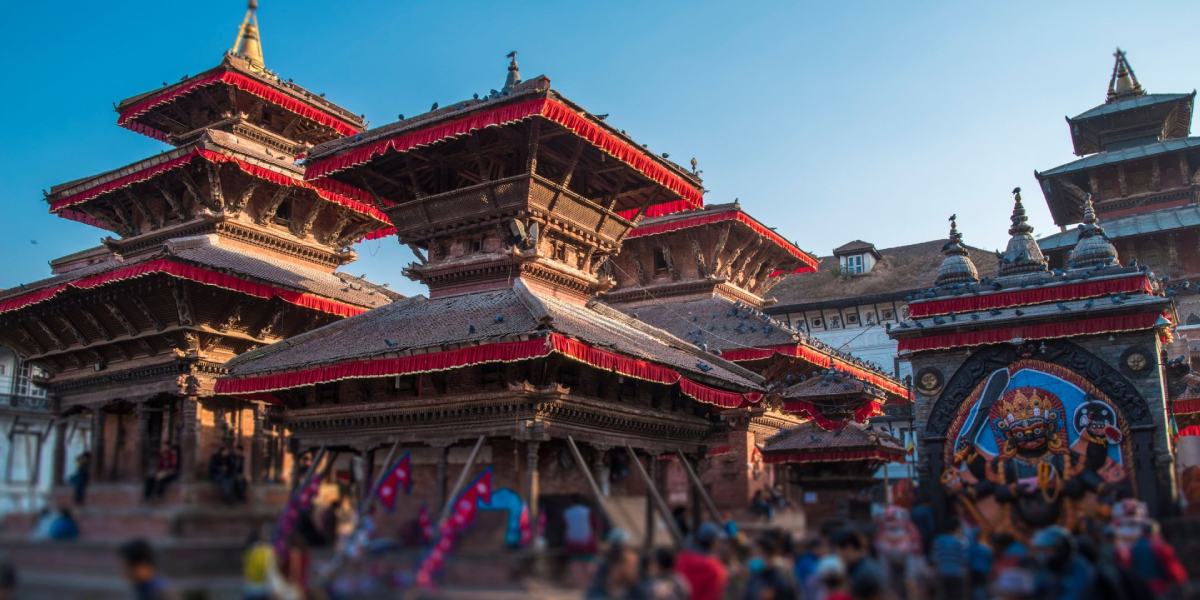
The moment you step out into the streets, you’re surrounded by the smell of incense, the ringing of temple bells and the rhythmic chaos of motorcycles weaving through ancient alleyways. Prayer flags flutter above narrow streets while centuries-old temples quietly watch over the city’s daily life.
For travelers visiting Nepal, Kathmandu is often the starting point of adventure, whether that means trekking to Everest Base Camp or exploring Himalayan culture. But the city itself is far more than a gateway.
With thousands of temples, vibrant festivals, hidden courtyards and bustling markets, Kathmandu is a living museum of culture, spirituality and history.
This ultimate travel guide to Kathmandu will help you explore:
- Iconic temples and UNESCO sites
- Authentic cultural experiences
- Hidden gems most travelers miss
- Food and markets worth exploring
- Practical travel tips for visiting Kathmandu
Whether you’re staying two days or a full week, Kathmandu rewards those who explore slowly.
Understanding Kathmandu: A City of Living Heritage
Kathmandu sits in the heart of the Kathmandu Valley at about 1,400 meters above sea level and has been a cultural crossroads for centuries. Ancient trade routes once connected India and Tibet through the valley, making the city a center of commerce, religion and art.
What makes Kathmandu unique is the harmony between Hindu and Buddhist traditions. It’s common to see Buddhist prayer wheels beside Hindu shrines or monks and sadhus sharing the same sacred spaces.
In fact, the valley contains seven UNESCO World Heritage Sites, many of which lie within a short distance of the city center.
Best Temples and Spiritual Sites in Kathmandu
One of the biggest reasons travelers visit Kathmandu is its remarkable collection of temples and sacred monuments.
1. Swayambhunath Stupa – The Monkey Temple
Perched on a hill overlooking the valley, Swayambhunath is one of the most recognizable landmarks in Nepal.
The climb up the 350 stone steps is part of the experience. Along the way you’ll encounter playful monkeys, small shrines and locals spinning prayer wheels.
At the top, the giant white dome and golden spire stand beneath watchful painted Buddha eyes. The view over Kathmandu is unforgettable.
Travel Tip:
Visit early morning for fewer crowds and beautiful sunrise light over the valley.
2. Pashupatinath Temple – Nepal’s Holiest Hindu Temple
Located on the banks of the Bagmati River, Pashupatinath is one of the most sacred temples dedicated to Lord Shiva.
Pilgrims come from across South Asia to pray here. Visitors can witness Hindu cremation rituals along the river ghats, which provide a powerful insight into local spiritual traditions.
Although non-Hindus cannot enter the main temple, the surrounding complex is fascinating to explore.
3. Boudhanath Stupa – The Heart of Tibetan Buddhism
Boudhanath is one of the largest stupas in the world and the center of Tibetan Buddhist culture in Nepal.
Walking clockwise around the stupa with locals and monks spinning prayer wheels and murmuring mantras is a peaceful experience.
The surrounding streets are filled with:
- Tibetan monasteries
- Thangka art shops
- Rooftop cafes
Sunset is the most magical time to visit.
4. Budhanilkantha Temple – The Floating Vishnu
Located at the base of Shivapuri Hill, this temple features a massive reclining statue of Lord Vishnu resting on a pool of water.
The five-meter stone statue is believed to have been discovered centuries ago when farmers uncovered it while plowing a field.
It’s one of the most unusual and peaceful religious sites in the valley.
Hidden Temples Most Travelers Miss
Beyond the famous UNESCO sites, Kathmandu hides dozens of lesser-known temples that offer a more authentic experience.
Ichangu Narayan Temple
Dating back to the 5th century, this ancient temple dedicated to Vishnu is one of the four sacred Narayan temples of the Kathmandu Valley.
It’s quiet, atmospheric and rarely crowded.
Gokarneshwor Mahadev Temple
Located northeast of the city, this temple complex dedicated to Lord Shiva is famous for its stone carvings and statues.
It’s particularly busy during religious festivals but peaceful most other days.
Exploring Kathmandu’s Cultural Squares
Kathmandu isn’t just about temples, it’s also about vibrant public spaces filled with history and daily life.
Kathmandu Durbar Square
This historic royal palace complex is filled with ancient temples, courtyards and statues.
Highlights include:
- Kumari Ghar (home of the living goddess Kumari)
- Hanuman Dhoka Palace
- Traditional Newari architecture
Festivals like Indra Jatra transform the square into a spectacular cultural celebration featuring masked dances and chariot processions.
Indra Chowk
A bustling market square where six streets intersect, Indra Chowk was once part of the ancient India-Tibet trade route.
Today it’s a lively maze of:
- spice shops
- textile stores
- local street food
It’s one of the best places to see everyday Kathmandu life.
Hidden Gems in Kathmandu
Beyond temples and palaces, Kathmandu offers many lesser-known spots worth exploring.
Garden of Dreams
This peaceful neoclassical garden near Thamel feels like a different world.
After navigating the city’s busy streets, relaxing here with a cup of tea is a welcome break.
Nagarjun Forest Reserve
Located on the edge of Kathmandu Valley, this forest offers hiking trails and panoramic Himalayan views.
If the skies are clear, you may even spot distant snow peaks.
Patan – The City of Fine Arts
Just across the Bagmati River lies Patan (Lalitpur), famous for its exquisite Newari craftsmanship.
Temples, metalwork, and traditional architecture here are among the finest in Nepal.
Food Experiences You Shouldn’t Miss
Kathmandu is also a fantastic destination for food lovers.
Must-Try Local Dishes
- Momo – steamed dumplings filled with meat or vegetables
- Dal Bhat – Nepal’s traditional rice and lentil meal
- Sel Roti – sweet rice doughnut
- Chatamari – Newari rice pancake
Many restaurants in Thamel offer rooftop dining with views of the city.
Best Markets and Shopping Areas
Kathmandu’s markets are vibrant, colorful and sometimes chaotic, but they’re full of unique finds.
Best Places to Shop
Thamel
- Trekking gear
- Handicrafts
- Prayer flags
Asan Bazaar
- Spices
- vegetables
- traditional markets
Patan Handicraft Shops
- metal statues
- wood carvings
- traditional artwork
Festivals That Bring Kathmandu to Life
If you visit during a festival, Kathmandu becomes even more magical.
Major Festivals
- Dashain – Nepal’s biggest Hindu festival
- Tihar (Diwali) – Festival of lights
- Indra Jatra – celebration with masked dances and the Kumari chariot procession
These festivals showcase the rich cultural traditions of the Newar community and the wider Nepali society.
Practical Travel Tips for Visiting Kathmandu
Best Time to Visit
The best months are:
- October – November (clear skies)
- March – April (pleasant weather)
Getting Around
Options include:
- taxis
- ride-sharing apps
- local buses
Walking is often the best way to explore old neighborhoods.
Cultural Etiquette
When visiting temples:
- Remove your shoes
- Dress modestly
- Ask before photographing people
Respect for local customs goes a long way.
Suggested 3-Day Kathmandu Itinerary
Day 1
- Kathmandu Durbar Square
- Asan Market
- Evening in Thamel
Day 2
- Swayambhunath Stupa
- Patan Durbar Square
- Garden of Dreams
Day 3
- Pashupatinath Temple
- Boudhanath Stupa
- Budhanilkantha Temple
Why Kathmandu Stays With You
Kathmandu isn’t a city you simply “see”, it’s a place you experience.
It’s the sound of temple bells echoing through ancient courtyards.
It’s monks circling a stupa at sunset.
It’s sipping tea on a rooftop while prayer flags flutter against the Himalayan sky.
Yes, the city can feel chaotic at first. But give it time, wander through its narrow streets and Kathmandu slowly reveals its magic.
For travelers seeking culture, spirituality, history and adventure, Kathmandu remains one of the most unforgettable destinations in Asia.